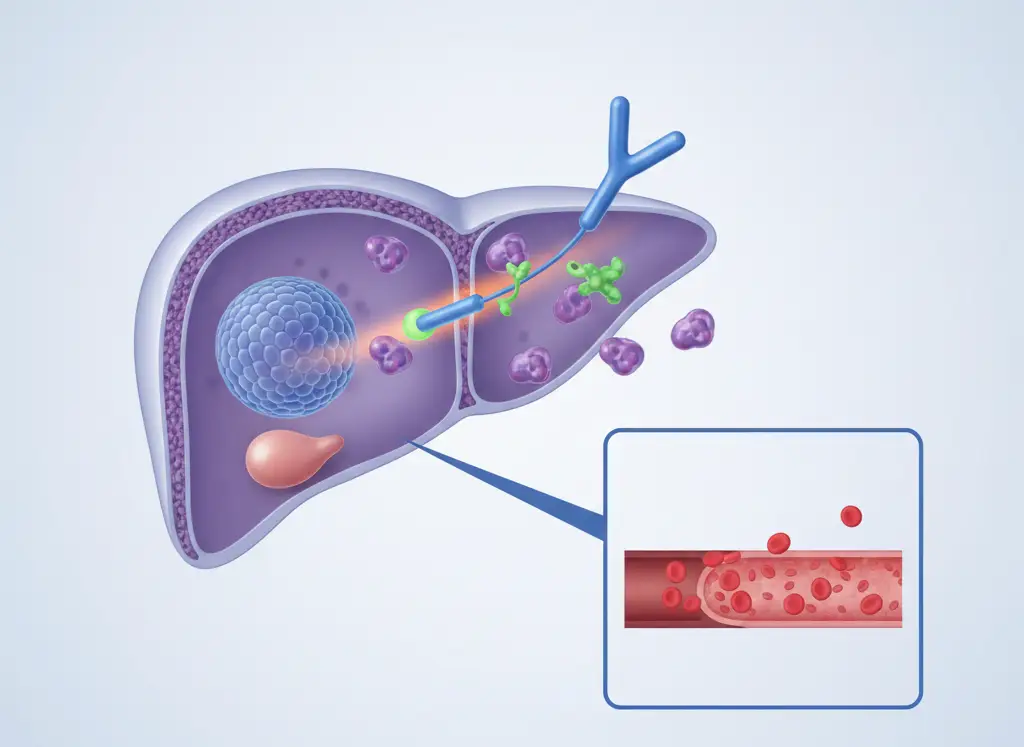
Gene therapy is often discussed as if it were a single intervention. In practice, it is a set of techniques that all aim to do one specific thing: change how a cell behaves by altering the information it uses.
So how does gene therapy work really? It helps to look closely at what happens after genetic material reaches a cell, because delivery alone does not determine outcome. What matters is how the cell processes that information and whether the surrounding environment allows the change to persist.
What Gene Therapy Is Actually Trying to Change
Cells follow genetic instructions to produce proteins. These proteins regulate structure, signaling, repair, and immune responses. When a disease is linked to faulty protein production, the problem is often not the cell itself, but the instructions it is following.
Gene therapy aims to influence this process by:
- introducing a functional gene to compensate for a missing or altered one
- modifying how strongly a gene is expressed
- or interrupting the production of a harmful protein
The intention is not to “rewrite DNA” in a general sense, but to shift specific cellular behaviors in a controlled way.
How Genetic Material Enters the Cell
Cells are designed to protect their internal environment. Genetic material cannot simply pass through the cell membrane on its own.
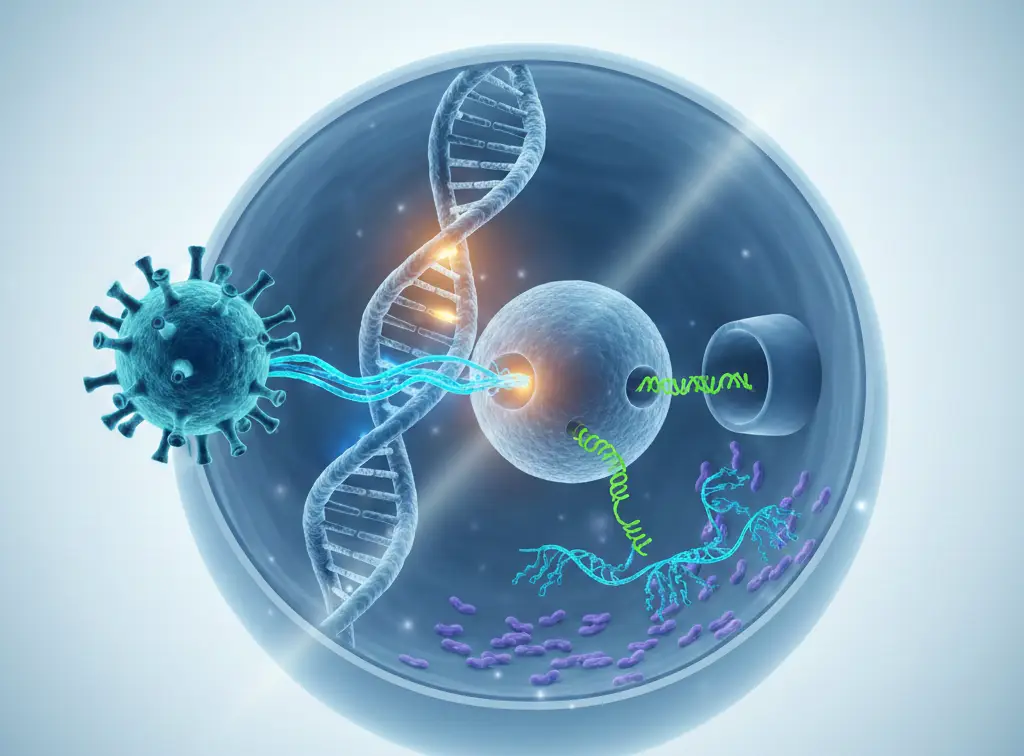
To overcome this, gene therapy relies on delivery systems, commonly referred to as vectors. Viral vectors are often used because viruses are naturally efficient at entering cells. Non-viral systems use chemical or physical methods to achieve the same goal.
Once genetic material enters the cell, several outcomes are possible:
- it may remain separate from the cell’s DNA and act temporarily
- it may be processed by the cell to produce therapeutic proteins
- or, in some approaches, it may integrate into the genome
Each option involves trade-offs related to duration, control, and safety. These decisions are central to ongoing research in cell gene therapy.
What Determines Whether the Therapy Has an Effect
Successful delivery does not guarantee a therapeutic result. After entry, the cell must be able to read the genetic sequence, translate it into proteins, and maintain that activity over time.
Several factors influence this process:
- the type of cell being targeted
- the level of immune activity in the tissue
- existing inflammation or tissue damage
- and how actively the cell is dividing
For example, cells under chronic inflammatory stress may degrade introduced genetic material more quickly or respond unpredictably. This helps explain why the same approach can produce different results across patients.
Understanding these variables is a key focus of work carried out by any serious genetics research company operating in this space.
Why Cell Context Matters as Much as the Gene Itself
Gene therapy does not operate in isolation. Cells exist within tissues, and tissues exist within complex biological systems.
If a tissue environment is hostile due to inflammation, oxidative stress, or immune activation, introduced genetic changes may not function as intended. In some cases, the surrounding environment can override the effect of the therapy entirely.
This is why modern approaches increasingly consider:
- tissue health prior to intervention
- immune modulation alongside gene delivery
- and whether the biological conditions needed for stability are present
These considerations are especially relevant in chronic conditions, where cellular behavior has already adapted to prolonged stress.
Why Gene Therapy Remains Closely Tied to Research
Despite increasing clinical use, gene therapy continues to evolve rapidly. Many current efforts focus on improving:
- precision of targeting
- predictability of gene expression
- duration of effect
- and reduction of unintended immune responses
These challenges explain why translation from laboratory findings to clinical application is gradual and closely monitored. It also explains why outcomes can vary even within controlled settings.
Research remains central to refining how gene-based interventions interact with real biological systems, not just theoretical models.
Key Takeaways
Gene therapy works by influencing how cells use genetic information, not by replacing cells themselves. Its effectiveness depends on delivery, cellular processing, and the biological environment in which it is applied. Understanding these factors is essential for evaluating both the potential and the limits of gene-based therapies.